Blast Resistant Shelters: The Ultimate Protection for High-Risk Environments
Published at: Apr 01, 2026
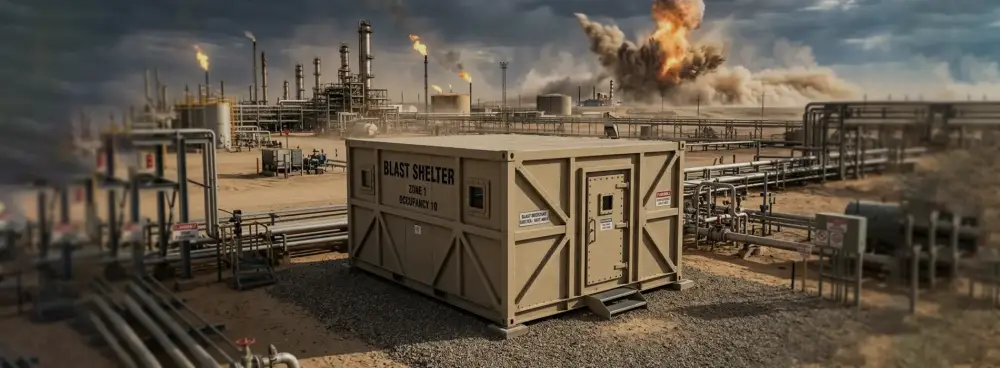
What Are Blast Resistant Shelters?
Blast resistant shelters are specially engineered structures designed to withstand explosive forces, shockwaves, and extreme impact conditions. These shelters play a critical role in protecting personnel, assets, and operations in high-risk environments such as oil refineries, military zones, chemical plants, and critical infrastructure facilities.
Unlike conventional buildings, blast resistant shelters are built using reinforced materials, modular systems, and energy-absorbing designs that minimize damage and prevent structural collapse during explosions.
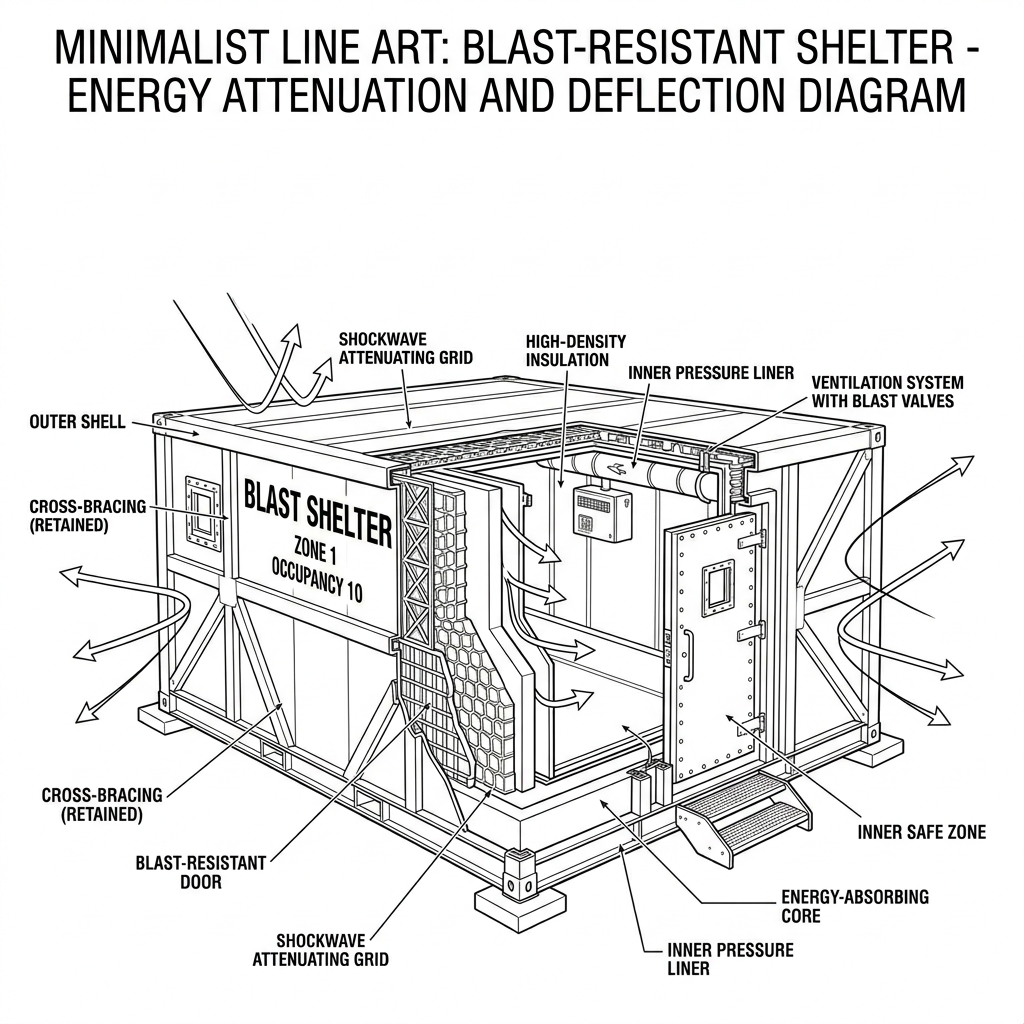
Why Blast Resistant Shelters Are Essential Today
In today’s rapidly evolving risk landscape, industries face increasing threats from:
- Industrial accidents
- Terrorist attacks
- Hazardous material explosions
- High-pressure operational environments
Modern infrastructure protection strategies prioritize blast mitigation and personnel safety, making these shelters a necessity rather than an option.
Research shows that blast-resistant structures are widely deployed across industrial, defense, and commercial sectors, highlighting their growing importance globally
Key Features of Blast Resistant Shelters
1. High-Performance Structural Design
Blast resistant shelters are engineered to absorb and dissipate blast energy, reducing the impact of shockwaves and debris.
2. Advanced Materials
These shelters utilize:
- Reinforced concrete
- Steel composite panels
- Ballistic-resistant glass
- Energy-absorbing polymers
These materials enhance durability and prevent fragmentation during explosions
3. Modular Construction
Modern shelters often use modular designs, allowing:
- Fast installation
- Easy relocation
- Custom scalability
4. Multi-Threat Protection
They are designed to resist:
- Blast pressure
- Fire hazards
- Ballistic impacts
- Toxic environments (CBRN threats)
5. Compliance with Safety Standards
Blast resistant shelters are built according to international safety standards such as:
- API RP 752 / 753
- OSHA safety regulations
- Military-grade specifications
Applications of Blast Resistant Shelters
Blast resistant shelters are widely used across multiple industries:
🔹 Oil & Gas Industry
Protect workers in refineries and offshore facilities where explosion risks are high.
🔹 Military & Defense
Used as command centers, bunkers, and operational shelters in conflict zones.
🔹 Chemical & Industrial Plants
Ensure safety in environments with volatile substances and high-pressure systems.
🔹 Commercial Infrastructure
Installed in airports, data centers, and high-security buildings.
🔹 Emergency & Disaster Management
Serve as safe zones during explosions, accidents, or hazardous events.
Benefits of Blast Resistant Shelters
✔ Life Protection – Safeguards personnel during critical incidents
✔ Asset Security – Protects valuable equipment and infrastructure
✔ Operational Continuity – Minimizes downtime after incidents
✔ Cost Efficiency – Reduces long-term damage and insurance risks
✔ Rapid Deployment – Modular systems allow quick installation
How Blast Resistant Shelters Work
Blast resistant shelters are designed using advanced engineering principles:
- Shockwave Deflection: Redirects blast energy away from the structure
- Energy Absorption: Materials absorb and dissipate pressure
- Reinforced Framework: Prevents structural collapse
- Sealed Design: Protects occupants from toxic gases and debris
These shelters are often tested to withstand specific PSI (pounds per square inch) blast loads, ensuring reliable performance in real-world scenarios.
Choosing the Right Blast Resistant Shelter
When selecting a blast resistant shelter, consider:
- Level of blast protection required (PSI rating)
- Location and environmental risks
- Size and occupancy requirements
- Mobility (fixed vs modular)
- Compliance with industry standards
A well-designed shelter should align with both risk assessment and operational needs.
Future of Blast Resistant Shelters
The future of blast-resistant construction is driven by:
- Smart materials with higher energy absorption
- Lightweight modular systems
- Integration with AI-based safety monitoring
- Increased demand in the Middle East and industrial regions
As global risks evolve, blast resistant shelters will continue to be a core component of modern safety infrastructure.